What Makes a Coin Album Beginner-Friendly: Materials, Layout, and Longevity
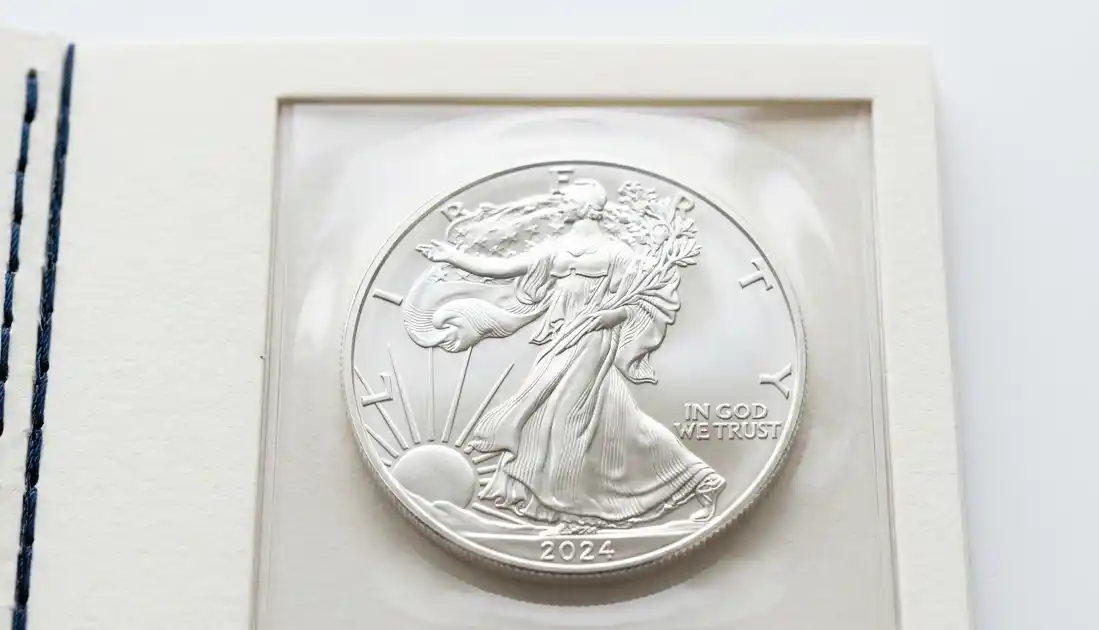
The best coin collection album does more than just hold coins — it defines the growth trajectory of a collection.
Choosing the right accessory prevents chemical degradation of the metal while ensuring systematic organization.
Material selection correlates directly with maintaining the investment appeal of the items.
Chemical Composition and Polymer Safety
Polymers used in sheet production are classified by their degree of inactivity.
Beginner collectors should avoid products containing harmful plastic softeners.
This material releases acidic gas reacting with air moisture.
Resulting acid causes green corrosion on the surface of copper and copper-nickel alloys.
Safe Materials
Safe options include high-grade polyester and acid-free cardboard.
These materials do not react with the metal, preserving the original mint luster.
Using accessories made of pure polyethylene eliminates the risk of corrosion.
Harmful Components
Plasticizers added to cheap albums for flexibility eventually move to the coin surface.
This creates a sticky film requiring professional restoration for removal.
Chemical neutrality → No patina → Grade preservation.
Structural Features and Layout
The coin fixation system determines visual inspection ease and transport safety.
Several main construction types are designed for beginners.
Book-Style Albums
Such models have pre-determined slots with transparent inserts.
They limit the possibility of expanding the collection within a single volume.
Ring-Binder Systems
The ring mechanism allows adding new sheets as more items are acquired.
Ease of use lies in the ability to rearrange segments of the collection.
Usability Evaluation Parameters
Insert transparency
Valve reliability
Material density
Cover rigidity
Impact of Storage Conditions on Market Value
Numismatic material value shows annual dynamics depending on the state of preservation.
Surface damage caused by a low-quality album reduces the asset's price by 30–70%.
Name | Weight | Specific Metal | 2024 value | 2025 price | 2026 worth |
American Silver Eagle | 31.103 g | Pure Silver | $35.10 | $38.90 | $42.50 |
Krugerrand | 33.93 g | Gold Alloy | $2380.00 | $2550.00 | $2720.00 |
Britannia | 31.21 g | Pure Gold | $2410.00 | $2600.00 | $2780.00 |
Morgan Dollar (1881-S) | 26.73 g | Silver Alloy | $210.00 | $235.00 | $265.00 |
Issues of Durability and Wear
An album must withstand mechanical loads during frequent page turning.
Spine wear leads to sheet deformation, creating pressure on the coins.
Micro-scratches appearing on the plastic hinder the study of minting details.
Wear Factors
Ultraviolet radiation
Humidity fluctuations
Mechanical friction
Collection weight
Production and Minting Errors
Beginner collectors often include coins with production defects in their albums.
The coin value significantly exceeds the face value and price of standard samples.
The following sections describe defect types increasing interest in the collection.
Double Die
This defect occurs during a double hub strike on the blank.
Images or letters overlap, creating a layering effect.
The record price for a 1955 Lincoln Penny with this error exceeded $100,000.00.
Value dynamics for Double Die: 2024 year price: $1450.00 for average grade. 2025 year price: $1620.00 for average grade. 2026 year price: $1800.00 for average grade.
Off Centre
Blank displacement relative to the die results in a partial missing design.
Coins with more than 50% displacement retaining the date are valued higher.
Die Crack
Cracks on the die leave raised lines on the metal surface.
The size and shape of the crack determine the item's final worth.
Physical Characteristics and Standardization
Systematization requires knowledge of exact parameters for each object.
Albums with universal slots suit different coins, but specialized trays provide better fixation.
Coin | Diameter | Thickness | Weight |
1 Dollar Peace | 38.1 mm | 2.4 g | 26.73 g |
50 Cent Liberty | 30.6 mm | 2.15 g | 12.5 g |
25 Cent Washington | 24.3 mm | 1.75 g | 5.67 g |
10 Cent Roosevelt | 17.9 mm | 1.35 g | 2.27 g |
Grading and Its Place in the Album
Professional certification confirms the authenticity and condition of the coin.
Slabs — airtight plastic holders — do not fit into standard albums.
Storing certified coins requires special boxes or sheets with enlarged pockets.
Using cardboard holders with mylar windows serves as an intermediate option.
Holders protect against fingerprints left during manual contact.
Temperature and Humidity Control
Storing a collection in high humidity rooms triggers oxidation.
Optimal humidity levels range between 35–45%.
Sharp temperature changes cause condensation inside album cells.
Stable environment → Plastic longevity → Metal integrity.
Algorithm for Choosing the First Album
Identify metal type with the coin identifier app.
Select cell size.
Verify sheet composition.
Check binding strength.
Having dividers excluding contact is mandatory for silver coins.
Gold coins, possessing high softness, require soft padding.
Copper is most sensitive to air pollution.
Financial Metrics of Rare Specimens
Investing in rare coins shows steady growth provided proper storage is maintained.
For example, the price of a 1913 Liberty Head Nickel is approximately $4,500,000.00.
Below is the growth statistics for rare positions.
Asset value growth over 10 years: Investment Gold: +120% value. Rare US Coins: +185% price. Antique Copper: +65% worth.
Sheet Storage Features
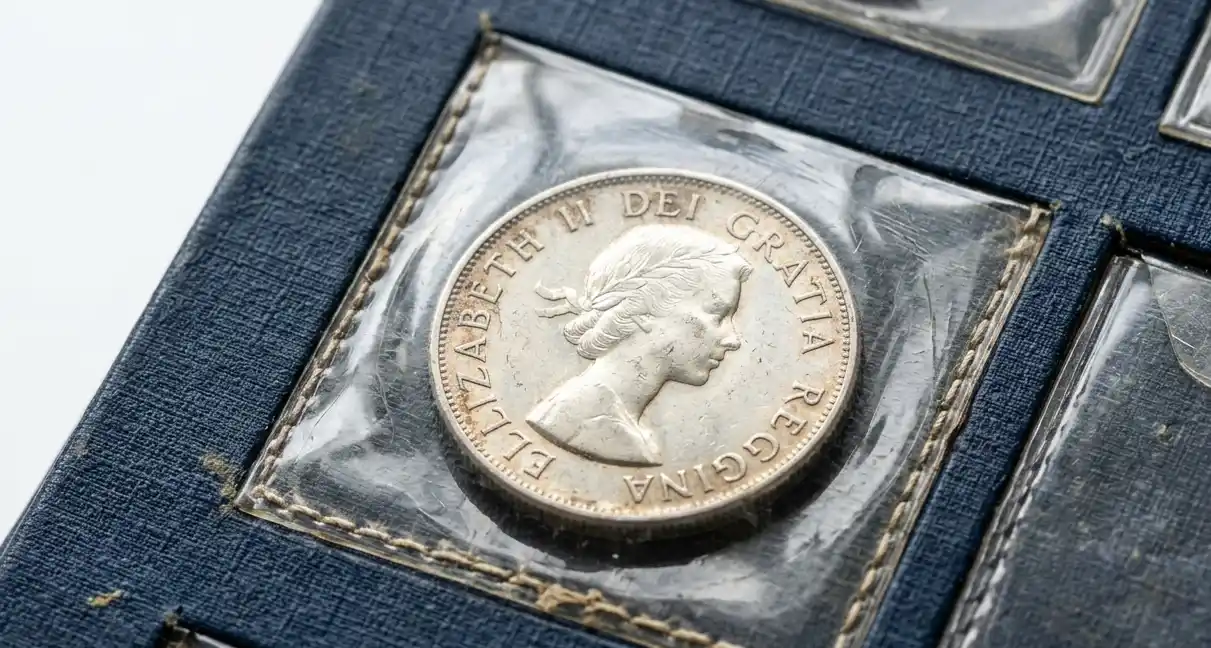
Sheets are divided by coin loading method: top, side, or via valve.
Side loading minimizes the risk of the specimen falling out during turning.
Valves provide additional insulation from dust.
Sheet thickness of 200 microns is considered the benchmark for long-term storage.
Benefits of Thick Sheets
Shape retention
Tear resistance
Even weight distribution
Space Organization and Collection Logic
Sorting coins by year of issue or mint mark simplifies searching.
Using dividers with mintage information helps structure data.
Mintage notes allow assessing rarity without checking external catalogs.
Mintage 1 million → High liquidity. Mintage 10k → Investment potential.
Protection Against External Factors
The album cover acts as the primary barrier.
Leather covers are durable but require treatment to exclude tanning agent impact.
Synthetic materials are more inactive and practical for daily use.
Having an outer slipcase protects sheet edges from fading.
Comparison of Storage Systems
Storage Type | Environment Protection | Mobility | Cost |
Sheets in Folder | Medium | High | Low |
Capsule Albums | High | Medium | High |
Trays | Low | Low | Medium |
Soft Pockets | Minimal | Maximum | Low |
Durability Analysis of Fittings
Metal rings must have an anti-rust coating.
Gaps in the ring mechanism lead to sheet edge jamming.
Using plastic bolts eliminates the risk of rust appearing on the album itself.
Fasteners → Resistance to deformation → Page safety.
Coin Placement Instructions
Cleaning the surface of organic residues before placing the coin in a cell is necessary.
Using cotton gloves prevents skin oils from getting onto the coin field.
Oily traces eventually turn into dark spots, lowering the grade.
Put on gloves.
Inspect the cell for dust.
Center the coin.
Close the valve tightly.
Accessory Market Statistics
The numismatic supplies market grows by 5% annually.
Increasing demand for acid-free materials is driven by rising collector awareness.
The share of softener-free albums in the professional segment is 95%.